
Painting & Finishing
Surface systems selected for durability and appearance.
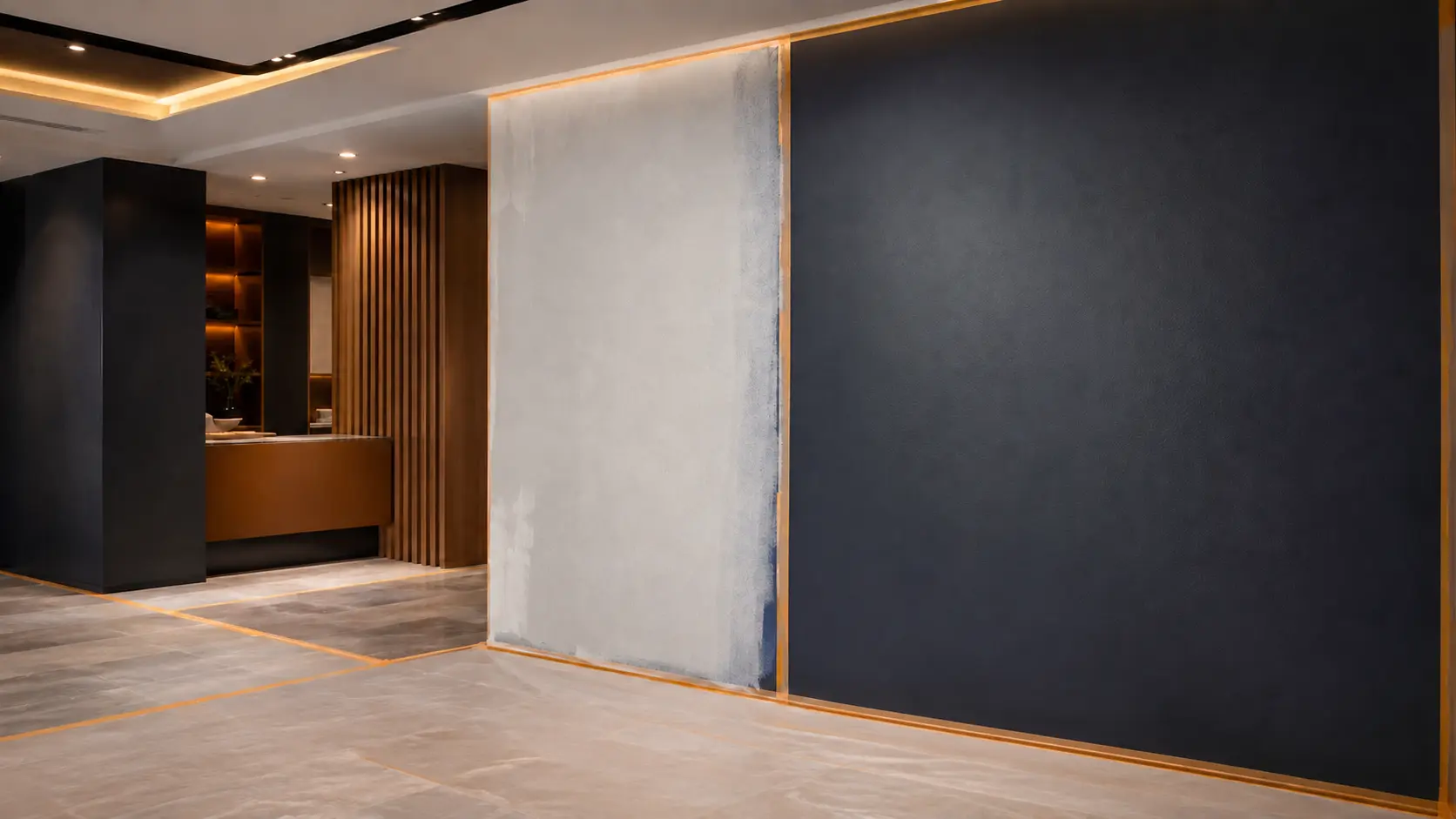
Finishes Fail When Applied Last.
Painting and finishing works are often specified last, and applied over surfaces with unresolved moisture, cracking or preparation issues that cause early failure.
Common Warning Signs
- Peeling, blistering or flaking paint
- Visible cracking beneath finishes
- Inconsistent sheen or colour matching
- Finishes failing faster than expected
- Mould or staining recurring after repainting
Likely Root Causes
- Coating applied without resolving underlying moisture or substrate issues
- Insufficient surface preparation
- System not matched to exposure conditions
What's Included
- Surface preparation and substrate repair
- Interior and exterior coating systems
- Waterproof and protective coatings
- Colour consultation and finishing specification
- Coordination with other trades before finishing
Property and Project Types
Inspection and Diagnosis
We inspect substrate condition for moisture, cracking and prior coating failure, and confirm the cause of any recurring defects before specifying a coating system suited to the exposure.
Verified Before Sign-Off
Finished surfaces are inspected for coverage, adhesion and consistency before sign-off, with product and warranty information handed over for future maintenance reference.
How We Deliver Painting & Finishing Works
Discover and Brief
Understand the desired finish, colour scheme and constraints.
Inspect and Survey
Assess substrate condition and existing coating performance.
Diagnose and Define
Confirm the cause of any recurring defects before recoating.
Specify and Plan
Select a coating system suited to the surface and exposure.
Execute and Report
Coordinated works with daily progress updates.
Test and Hand Over
Finish inspection and documented handover.
Often Coordinated Together
Building Repairs
Structural and substrate repairs before finishing works.
ServiceCommercial Renovation
Finishing systems as part of a wider renovation scope.
ServiceWaterproofing
Resolving moisture issues before applying finishes.
Technical Capability Gallery & Case Studies. Coming Soon
Frequently Asked Questions
Resolve the Cause Before You Recoat.
Request a site inspection or discuss the property directly on WhatsApp.