

APEX Integrated Works Sdn BhdAPEX Integrated Works Sdn Bhd

Building Repairs

Structural and finishing repairs, diagnosed before specified.
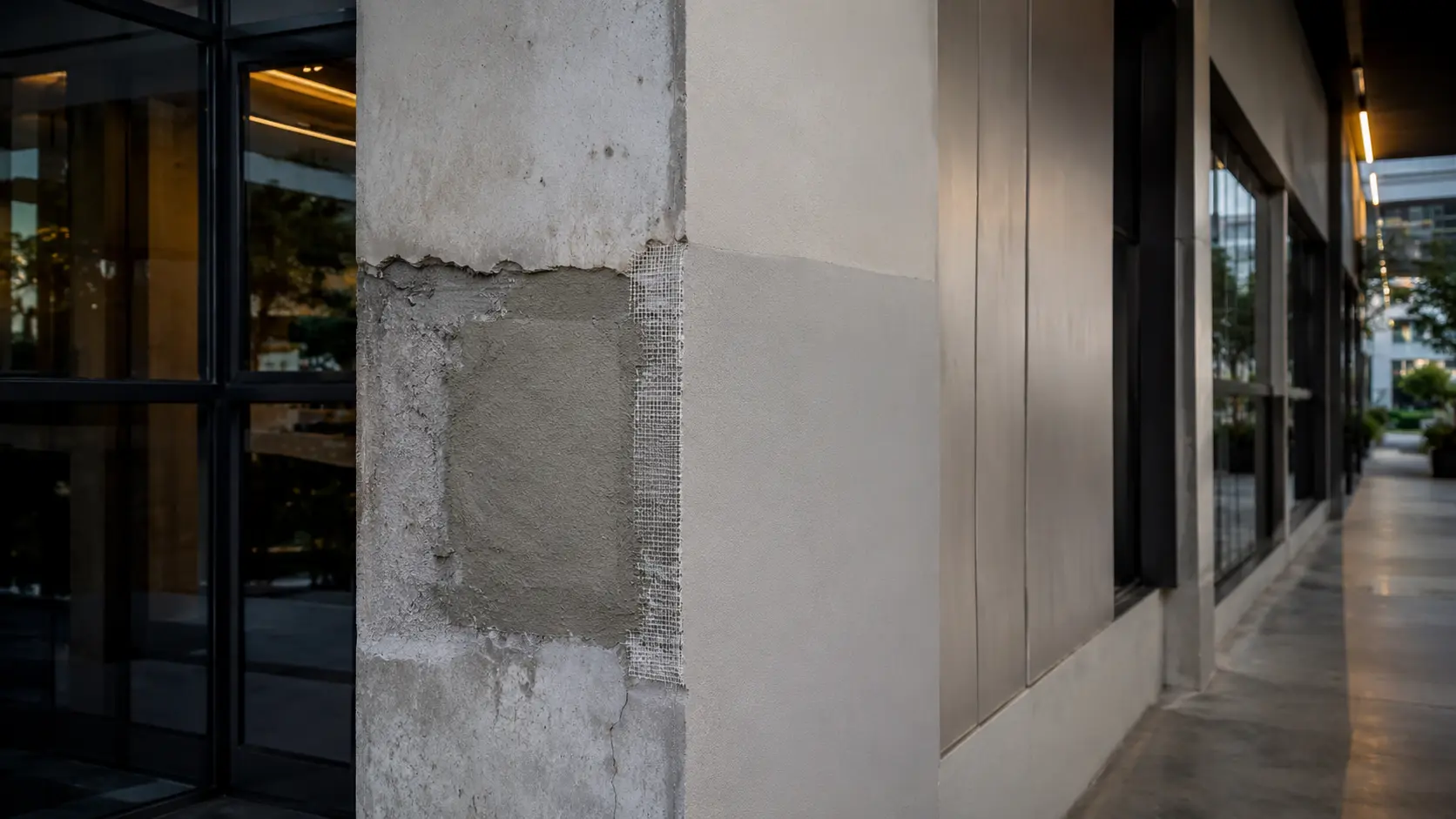
General building structural repair works
The Problem

Patching Symptoms Doesn't Stop Defects.

General building defects, from cracking to spalling to failed finishes, are frequently patched without establishing whether the cause is structural, water-related or simply ageing materials.

Common Warning Signs

  • Cracking in walls, beams or slabs
  • Spalling concrete or exposed reinforcement
  • Recurring defects after previous repairs
  • Doors, windows or floors that have shifted
  • Visible deterioration at exposed structural elements

Likely Root Causes

  • Structural movement or settlement
  • Water ingress affecting structural elements
  • Previous repairs addressing symptoms, not cause

What's Included

  • Structural and defect diagnosis
  • Concrete and structural repair works
  • Crack injection and rectification
  • Finishing repair and reinstatement
  • Coordination with waterproofing where relevant
Suitable For

Property and Project Types

Ageing commercial buildings Strata property Post-inspection rectification projects
Approach

Inspection and Diagnosis

We physically inspect the affected elements, assess crack patterns and material condition, and determine whether the cause is structural, water-related or age-related before proposing a repair method.

Testing & Handover

Verified Before Sign-Off

Repaired elements are inspected against the agreed scope before finishes are reinstated, with a record of the works and any follow-up monitoring recommendations provided at handover.

Process

How We Deliver Building Repair Works

01

Discover and Brief

Understand the symptoms, history and constraints of the property.

02

Inspect and Survey

Physical inspection of the affected structural or finishing elements.

03

Diagnose and Define

Confirm the root cause of the defect before proposing a repair.

04

Specify and Plan

Select a repair method suited to the cause and condition.

05

Execute and Report

Coordinated works with daily progress updates.

06

Test and Hand Over

Repair inspection and documented handover.

FAQ

Frequently Asked Questions

Structural cracks are typically wider than about 3mm, run diagonally, pass through load-bearing elements like beams or columns, and often appear alongside other signs such as misaligned doors or windows. Cosmetic cracks are usually thin hairline cracks that follow render joints or paint lines and don't affect the underlying structure. If you're unsure which you're looking at, treat it as structural until a professional inspection confirms otherwise.
Spalling starts when water and chloride penetrate through cracks or inadequate concrete cover and reach the embedded steel reinforcement, causing it to corrode. Corroded steel expands to several times its original volume, and that expansion cracks and pushes off the surrounding concrete cover, exposing the rebar. The process tends to accelerate once it starts, since exposed rebar corrodes faster than protected steel.
Yes, spalling concrete can pose a falling debris risk, particularly at height or above walkways, car parks and other areas with pedestrian or vehicle traffic. Even where the immediate area looks contained, the underlying corrosion is usually more extensive than what's visible on the surface. Prompt assessment and, where needed, temporary protection measures are advisable while a full repair is scoped.
The Defects Liability Period (DLP) is a fixed window after handover, commonly 24 months under standard Malaysian Sale and Purchase Agreement terms, during which the developer is obligated to rectify defects reported by the purchaser. It typically covers defects related to workmanship, materials, and non-compliance with the agreed specification, rather than damage caused by the owner's own actions. The exact duration can vary slightly depending on the specific SPA and property type.
Hairline cracks, discolouration or staining, loose or bulging tiles, and small pieces of debris on the ground below are early signs that a facade should be professionally inspected. These signs often appear gradually and can be easy to miss from ground level, which is why periodic close inspection matters even when nothing looks obviously wrong. Catching these early typically keeps the repair scope, and cost, smaller than waiting for visible spalling or larger material loss.

View All 28 Building Repair Questions

Diagnose the Cause Before You Repair.

Request a site inspection or discuss the property directly on WhatsApp.

WhatsAppCall UsRequest InspectionSubmit Project Details